Lighting
Under-Cabinet Lighting: Where Should the Light Go?
Light the preparation surface, not just the backsplash. Plan under-cabinet lighting around fixture position, glare, finish samples and everyday kitchen tasks.
By NOBU Editorial ·
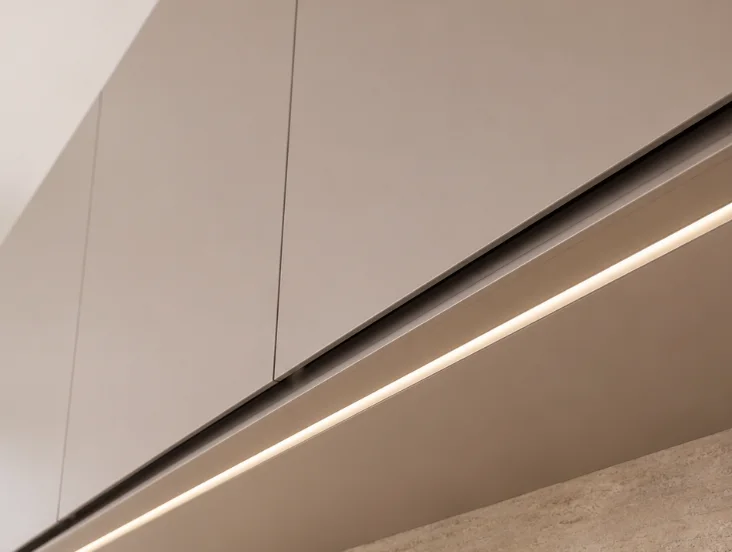
Under-cabinet lighting works best when it illuminates the part of the counter where you prepare food, rather than simply creating a bright stripe on the backsplash. In a kitchen with upper cabinets, start by testing a concealed light position toward the front of the cabinet underside. Then check the result on your actual worktop and from the places where people stand and sit.
The most useful decision is not how dramatic the kitchen looks in an evening photograph. It is whether the light makes the preparation surface comfortable to use while remaining visually quiet within the cabinetry.
Give each layer of kitchen lighting a purpose
Kichler's lighting guide distinguishes ambient illumination, focused task lighting and decorative accent lighting. Under-cabinet light belongs in this conversation because it can put useful illumination close to a work surface. It should complement the room lighting rather than carry the entire kitchen on its own.
Identify the counters used for chopping vegetables, reading a recipe or preparing breakfast. Those activities deserve a different review from a display niche containing ceramics. A pleasing glow inside a shelf does not tell you whether the working counter is adequately lit.
In a restrained modern kitchen, this distinction helps keep the design composed. Decorative lights can establish the atmosphere, while concealed task lights serve the work zones. There is no need to make every cabinet edge luminous.
Test the front of the cabinet before the back
The NKBA's Kitchen & Bath Planning Guidelines recommend positioning under-cabinet lighting near the front edge of the cabinet or shelf. Treat that as a planning starting point, then evaluate the selected fixture and the actual room conditions.

This generated concept section explains the relationship between the light source, the shallower upper cabinet and the deeper worktop. The illustrated light spread is schematic. It does not predict measured output or specify a construction detail.
Have a sample fixture held in the proposed position before committing to channels or trim. Look at the front portion of the counter as well as the backsplash. Move the sample and compare the result; a small change in position may matter more than adding another decorative light elsewhere.
Look for glare from more than one viewpoint
A concealed fixture can still be reflected in a surface. Review the arrangement from a normal working position, the adjacent dining seat and the approach from the living room. In an open-plan home, people see the kitchen from several heights and directions.
The NKBA guidance calls for considering direct and reflected glare, including reflections from polished surfaces. Bring the proposed countertop sample to the lighting review instead of judging the light against an unrelated showroom finish.
Ask whether you can see the light source itself, whether its reflection is distracting and whether the chopping board feels comfortably lit. A drawing of a hidden strip cannot answer all three questions. The fixture's shielding, optics and position need to be assessed together.
Review light color with the cabinet finishes
Place the actual door, worktop and backsplash samples together under the proposed light. Compare them with nearby lighting switched on, and again in daylight. The purpose is to see the room as a connected composition rather than approving each finish separately.
NKBA guidance recommends consistent color temperature within a room and attention to color rendering. Ask the lighting designer to compare those characteristics for the chosen products. Matching a number on two packages is a useful check, but a sample review still helps you decide whether the combination looks right.
Avoid choosing a universal light color simply because it is described as modern or warm. Your materials, adjoining spaces and preferences should inform the decision.
Coordinate the lighting before the cabinetry is made
Record the fixture location, the intended concealment detail and the lighting controls on the coordinated drawings. Have the electrical professional confirm the selected system's requirements and suitable access for its components. This is a design coordination step, not a reason to improvise wiring inside finished cabinetry.
For your project discussion with NOBU Concept, bring a room plan showing the preparation zones alongside your finish samples and lighting preferences. Useful questions include:
- Which counters need dedicated task lighting?
- Can the source or its reflection be seen from nearby seating?
- Where will separate lighting zones be controlled?
- Who will confirm the fixture, cabinet detail and electrical requirements together?
A successful lighting detail makes the kitchen easier to use without competing with its architecture. Test the working surface first, review the views across the room, and approve the cabinet detail with the light in place.
Sources
NKBA: Kitchen & Bath Planning Guidelines, Fourth Edition, Lighting Planning section
https://kb-media.nkba.org/wp-content/uploads/2024/05/2024-DC-Guidelines.pdf
Kichler Lighting: Light Layering
https://www.kichler.com/tips-guides/indoor-lighting-guide/light-layering
